
Creating content without testing is like building a skyscraper without checking the foundation. You could spend time, money, and energy only to find your audience barely notices.
Take Esther, who runs Cardio Cooking, a fitness studio where busy professionals combine workouts with healthy meal prep. She produced a music video featuring her routines, hired dancers, and a director, and published it on her website. The result? One like—from her mother.
What went wrong? Esther skipped a crucial step: testing her content ideas in smaller, more manageable formats before committing to a large production.

Start Small: Micro, Base, Hero Content
Smart marketers create a mix of short-form and long-form content. Short-form content can act as a testing ground for bigger, more expensive ideas. Think of your content in three levels:
- Micro Content – Quick, low-cost updates like tweets, Instagram stories, or short posts. These let you test multiple ideas easily to see what resonates.
- Base Content – More substantial content like blog posts, newsletters, or short video clips. Test the best-performing micro ideas here to measure engagement and interest.
- Hero Content – Immersive, high-investment content like films, multi-part video series, apps, or large campaigns. Only scale ideas to this level once you know they resonate with your audience.

Case Study: Chobani Greek Yogurt
Chobani tested content ideas by starting small and scaling up.
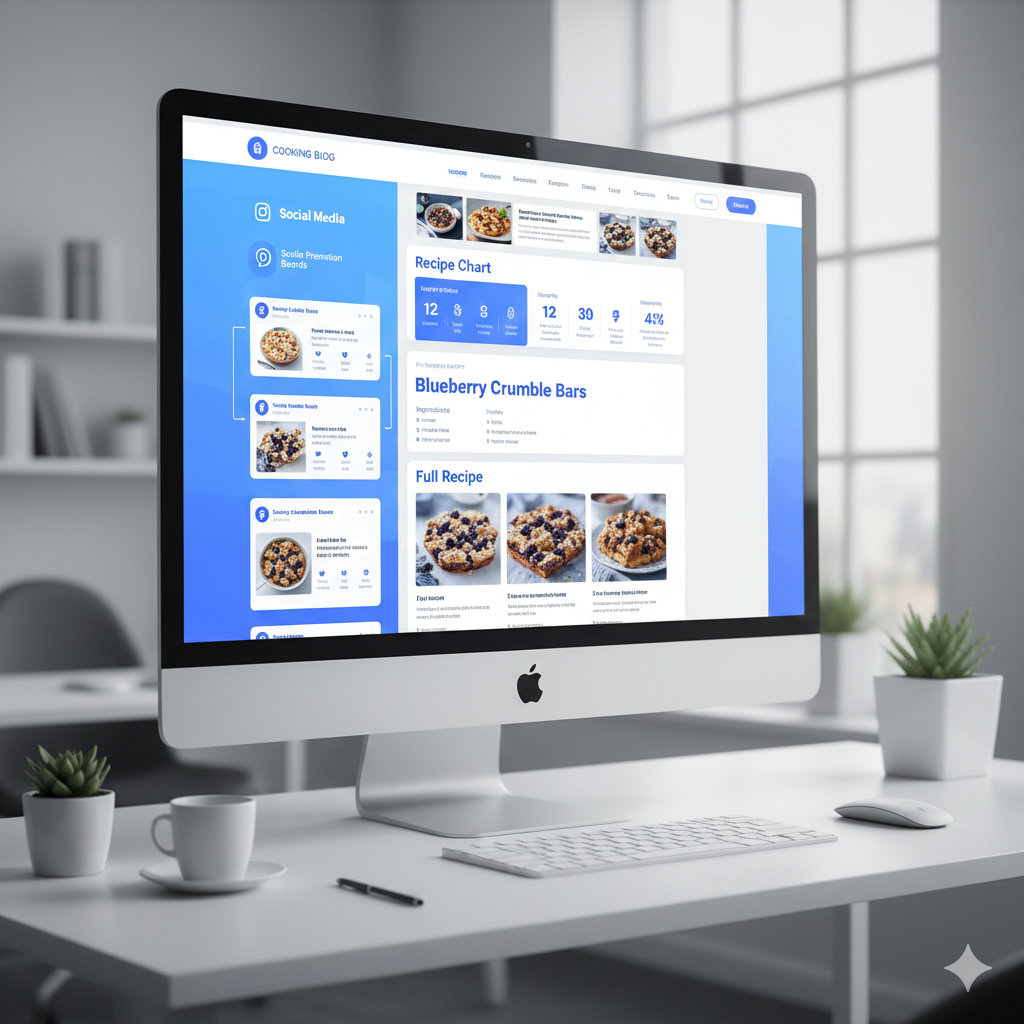
- Micro Content: They created a simple recipe conversion chart on their website and shared it on social media.
- Base Content: The chart’s popularity led to full recipe posts promoted on Pinterest boards.
- Hero Content: Finally, Chobani dedicated an entire section of their site to recipes, engaging their community and amplifying brand awareness.
Measure What Matters
Likes and followers feel good, but they don’t always reflect real impact. Track these four metrics instead:
- Shares – Shows if your content is compelling enough to be recommended to others.
- Comments – Reveals engagement and questions your audience wants answered.
- Leads – Tracks how many potential clients your content inspires to take action.
- Sales – Measures how content directly impacts revenue.
Tools for Measurement
- Social engagement: Sprout Social, Social Mention, or Crimson Hexagon.
- Leads and conversions: Google Analytics, KISSmetrics, Mixpanel.
- You can also track manually with a simple spreadsheet if needed.

Do This Now
Set both short-term and long-term content goals.
- Short-term goals: Micro content engagement, shares, comments.
- Long-term goals: Leads, conversions, and revenue.
Test, measure, adjust, and scale. A strong content testing process ensures every post works hard for your business, turning small experiments into impactful campaigns. lordkay media applies these principles to help US businesses maximize content ROI efficiently.

