
Every successful business starts with knowing its audience. But too often, companies rely on broad, generic labels like “soccer moms,” “yuppies,” or “tweens” to describe their target market. While these labels make marketing feel simpler, they rarely help you truly connect with your customers.
Customers are people, not stereotypes. To stand out in today’s competitive landscape, you need to understand the why behind their choices, motivations, and behaviors.
In this guide, we’ll walk you through:
- How to define your target audience beyond generic labels
- Why building an audience first can guide your product creation
- How storytelling and humor can make your brand unforgettable
- How to handle failures in a way that strengthens your business
Why Avoid Generic Target Audience Descriptions
Generic audience labels feel easy, but they limit your ability to market effectively. Broad stereotypes assume everyone in a group behaves the same, but real people are far more complex.
For example, targeting “30-something hipster dads” might seem clear, but what if most of your actual customers are moms who enjoy sustainable fashion? By assuming the wrong group, you risk missing opportunities and blending into a sea of competitors.
Key takeaway: Think of your target audience as you would a close friend. Understand their mindset, values, desires, and motivations.

How to Define Your Target Audience
To define your audience, avoid relying solely on demographics. Instead, go deep into psychographics, lifestyle choices, and emotional drivers.
Start by narrowing your audience:
- Age ranges: Instead of 18-49, focus on early 20s, mid-30s, etc.
- Location: City, suburb, countryside, or even country
- Education: High school, college, graduate level, or self-taught
- Occupation: Professional, business owner, creative, blue collar
- Hobbies and interests: Arts, science, fitness, socializing
- Values and beliefs: Family, honesty, environmentalism, community
Next, understand how they view your business: Are you a necessity, a luxury, a pastime, or an escape?

Example: Pinterest’s Target Audience Strategy
Pinterest’s founders initially struggled to define their audience. They could have targeted “creatives” broadly, but they dug deeper, studying why and how users were engaging with their platform.
They discovered a community of lifestyle bloggers and home enthusiasts who loved simple, visual inspiration. By marketing directly to this narrow, passionate audience, Pinterest grew quickly and built a global community of engaged users.
Lesson: Start broad, then refine based on research and observed behavior.

Audience-First Product Development
Instead of building a product first and finding a market, you can build an audience first and let their needs guide your products.
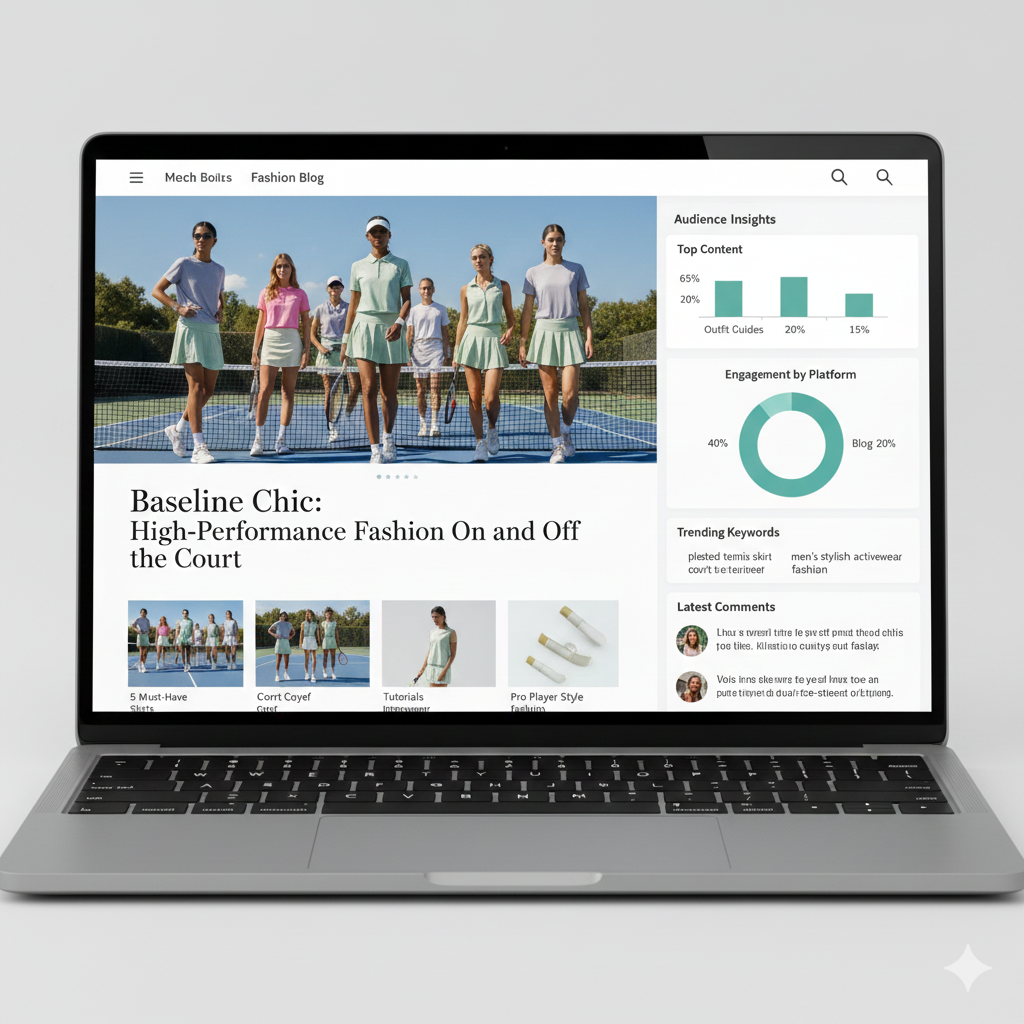
Take Johan and Alberta, two fashion-conscious tennis players. Instead of creating tennis apparel immediately, they could start a blog or social media channel around stylish tennis outfits. Engaging content helps them learn their audience’s preferences before investing in production.
Audience-first approach steps:
- Identify your ideal audience
- Create content they enjoy and share it consistently
- Observe engagement and gather feedback
- Use insights to design products your audience actually wants
- Test new products via pre-orders or small launches
How Storytelling Builds Customer Connection
Storytelling is not just for novels or movies. Businesses that tell engaging stories create stronger bonds with their audience. There are two approaches:
1. Personal Story Approach
Focus on your own experiences that inspired the business. Example: FiLIP, a smartwatch company for children, was inspired by the founder almost losing his son in a mall. Sharing this story builds emotional trust with parents.
2. Higher Purpose Story Approach
Highlight a shared mission or goal. Example: KIND Healthy Snacks emphasizes making the world kinder, inspiring their community to participate in social initiatives.
Tips for storytelling:
- Be specific and avoid buzzwords
- Take your audience on a journey
- Include challenges and triumphs

Using Humor to Connect with Your Audience
Humor lowers defenses and makes messages more memorable. A well-placed joke can reinforce your brand’s personality and make your marketing more engaging.
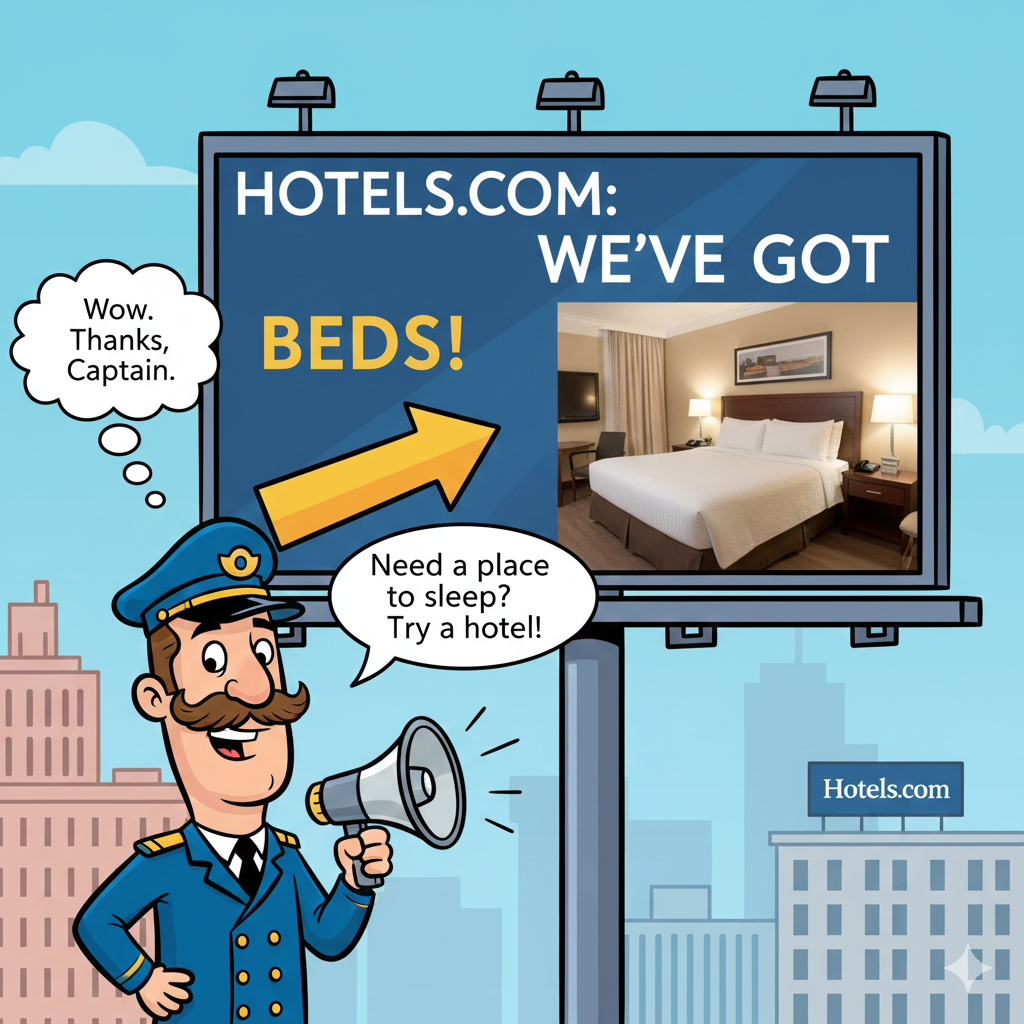
Example: Hotels.com created Captain Obvious, a humorous character pointing out obvious hotel facts. This increased brand recognition and drove a 30% increase in site traffic.
Tips for using humor:
- Create a funny main character or scenario
- Establish the rules of your story’s world
- Maintain consistency in tone and context
- Use humor appropriate to your platform and audience
Sharing Failures to Build Trust
Mistakes happen, and customers notice them. How you communicate failures can strengthen your brand.
Example: Kimble’s Kibbles sent cat food to dog owners by mistake. By honestly telling the story, showing emotions, and explaining corrective measures, they regained trust instead of losing it.
How to share failures effectively:
- Be honest and factual
- Describe how the mistake affected everyone, including your team
- Explain specific corrective actions
- Show improvement and progress

Finding and engaging your target audience is not just about age, gender, or location. It’s about understanding why people behave the way they do, building content that resonates, telling compelling stories, using humor thoughtfully, and being transparent about mistakes.
By going beyond stereotypes, creating meaningful content, and connecting emotionally with your audience, you can build a loyal community and grow your business strategically.

